What a $1.5 Trillion Grid Equipment Market Means for Electrical Manufacturing Hiring
If you’ve spent any time in electrical infrastructure, you already know the equipment story. Lead times are long. Demand from data centers, electrification, and grid modernization isn’t slowing down. What you may not have seen yet is the number Wall Street just attached to it.
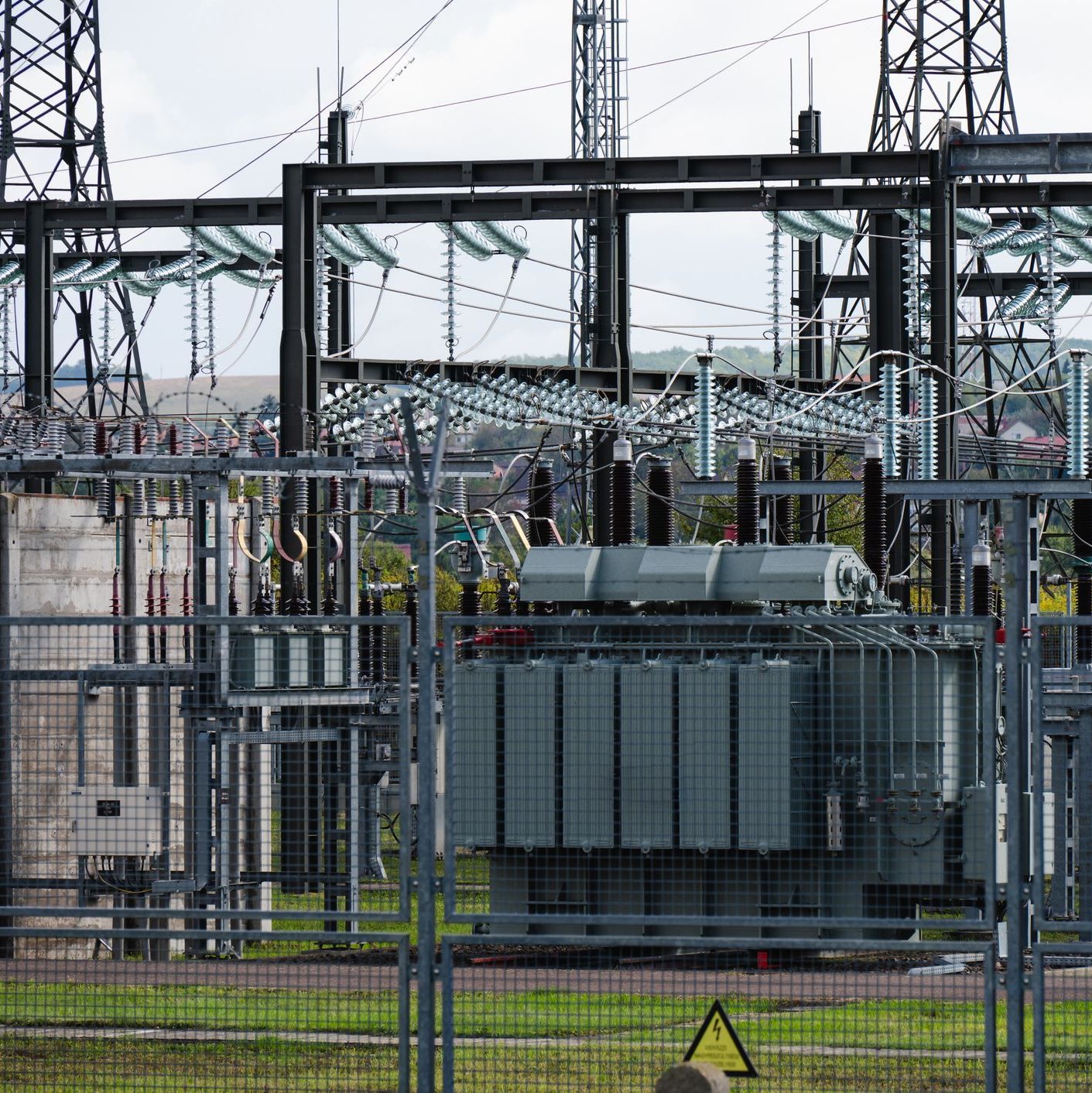
As of July 26, 2026, the publicly traded companies that make up the grid hardware world, transformers, switchgear, HVDC systems, power cables, and grid automation, carry a combined market capitalization of $1.59 trillion across 55 listed companies globally, according to Green Stocks Research. That figure encompasses everything from large-cap diversified industrials like GE Vernova, ABB, and Siemens Energy, to pure-play specialists across Asia, Europe, and the Americas.
Break it down by segment and the picture gets even more interesting for anyone in our space. Integrated grid equipment accounts for $548 billion of that total. Electrical distribution and switchgear make up $543 billion. Transformers and switchgear specifically sit at $165 billion. Data center power demand is called out directly as a major order driver behind switchgear, transformer, and cable suppliers since the mid-2020s.
Why This Matters Beyond the Stock Ticker
I’m not a financial analyst, and I’m not here to tell you where to put your money. But I’ve spent 21 years exclusively recruiting in this industry, and when I see a number like $1.59 trillion attached to the sector I work in every day, I read it as something else entirely. It’s a signal about where career risk actually sits right now.
Here’s what I mean. Candidates weighing a move often think about risk backward. They worry about leaving a stable company for something less certain. But when public markets are pricing this kind of growth into grid equipment manufacturers at this scale, the bigger risk may be staying somewhere that isn’t positioned to capture it.
The macro data backs this up from a different angle, too. The Federal Reserve’s Industrial Production and Capacity Utilization Report has shown selective gains across advanced manufacturing segments, including electrical equipment, transportation equipment, and high-tech production. The Institute for Supply Management’s Manufacturing Report on Business recently signaled a return to expansion after an extended period of contraction. March 2026 JOLTS data showed openings growing, even as hiring efficiency stays constrained, and workers with specialized skills continue to have options.
Put plainly: capacity is expanding, but workforce pipelines have not kept pace. That’s not a talent gap story I’m inventing. That’s what the labor data itself is showing.
What It Means If You’re Building a Team
If you’re a manufacturer, a PE-backed platform, or an investor-owned utility in this space, this is worth sitting with. Capital markets are telling you this sector has room to grow. Your competitors are reading the same numbers you are. The companies that move on leadership hiring now, before a plant expansion or a product line launch is fully underway, are the ones who won’t be scrambling six months from now when the person they need is already off the market.
What It Means If You’re the Candidate
If you’re sitting in a role right now, wondering whether this is a good time to explore something new, the market has basically answered that question for you. This industry isn’t a niche backwater anymore. It’s a $1.59 trillion global sector with real momentum behind it, and the companies inside it are actively looking for experienced leadership to help them capture that growth.
My Take
Numbers like this don’t come around often in a sector as specialized as ours. Most of my career has been spent explaining to people outside this industry why it matters. This is the kind of figure that does the explaining for me.
If you’re trying to figure out what this means for your team, your search, or your own next move, I’d be glad to talk through it.
Foster Conner International specializes in recruitment for the electrical infrastructure and power equipment sector. We work with privately held companies, publicly traded manufacturers, and the private equity-backed platforms building in this space.
If you’d like to talk about what you’re seeing in the market, or what you’re trying to build, let’s talk.
Nanette Foster 317-385-0529 nanette@fosterconner.com fosterconner.com
More Industry Insights