Electrical Grid, Switchgear, Transformers, E-Houses & Data Center Hiring Trends in 2026
The U.S. electrical manufacturing sector continues to undergo a transformative period in 2026. Accelerated demand for grid modernization, data center expansion, and electrification infrastructure is reshaping the way companies hire and how candidates approach opportunities in this niche market. For professionals and hiring managers focused on switchgear, transformer manufacturing, e-houses, and data center power systems, understanding these trends is essential for building a resilient workforce and securing top roles in a competitive environment.
1. Continued Demand for Grid Equipment and Power Distribution
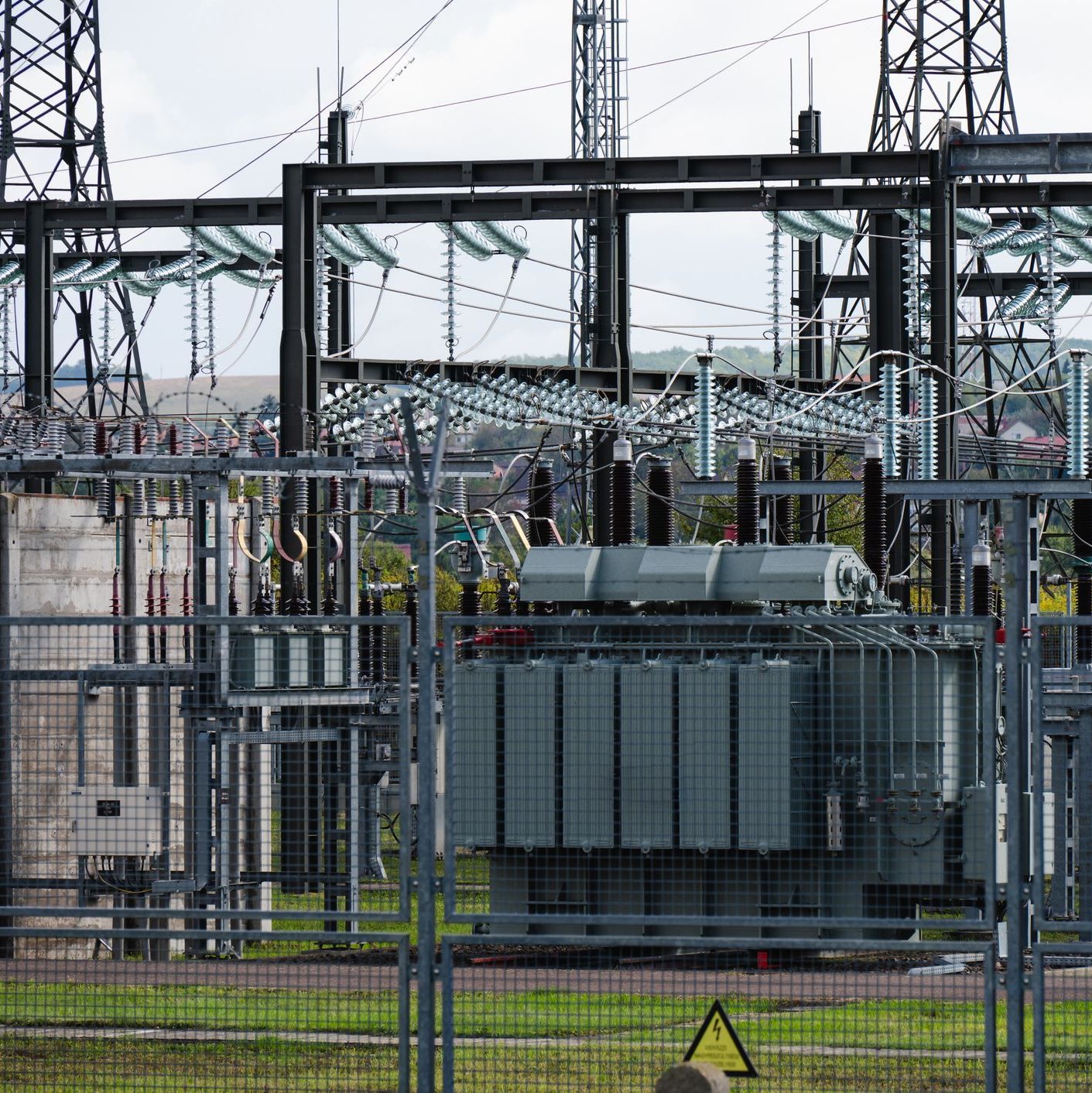
Across the U.S., investment in grid infrastructure is driving strong demand for switchgear and transformer production. Manufacturers are expanding capacity to meet orders backed by utilities, private equity OEMs, and hyperscale data center developers. According to industry research, the U.S. transformer market is projected to grow at a compound annual growth rate (CAGR) of over 7% from 2024 to 2030, driven by grid modernization, electrification, and data center power needs. Transformers remain a linchpin in power distribution systems, with lead times significantly longer than pre-pandemic norms as production struggles to catch up with demand.
Supply chain constraints also remain a critical challenge. Transformers, circuit breakers, and high-voltage cables face multi-year delays, which not only impacts project timelines but heightens the urgency for knowledgeable professionals who can navigate these bottlenecks and optimize manufacturing and delivery processes.
2. Data Center Power Growth Drives Specialized Hiring
Data centers are among the fastest-growing sources of electricity demand in the U.S. As of late 2025 forecasts, grid power supplied to hyperscale, leased, and specialized data centers is expected to rise sharply, requiring nearly three times the capacity by 2030 compared to earlier years. This sector’s growth drives the need for medium and high voltage switchgear, substation design expertise, and transformer integration to support reliable power delivery.
The global market for switchgear tailored specifically to data center applications is forecast to expand significantly over the next decade, with projections showing strong growth at a CAGR above 7%. This growth signals long-term hiring opportunities for electrical engineers, product designers, field service technicians, and manufacturing leaders who understand the unique demands of data center power systems.
3. Skills Shortages and Workforce Gaps
Across manufacturing and engineering disciplines nationwide, hiring challenges persist. National employment trends indicate that 2026 will be defined by competition for skilled workers, selective hiring practices, and the rise of skills-based recruitment over rigid credential requirements. These trends are amplified in technical domains such as high voltage equipment design, power systems engineering, switchgear assembly, and transformer testing, where specialized skills are in short supply.
Engineering workforce projections show that demand for electrical and technical occupations continues to outpace available talent, especially as seasoned professionals retire. For organizations in the electrical manufacturing space, this underscores the importance of proactive hiring strategies and partnerships with specialized recruiters to identify and engage candidates with the right combination of experience and capabilities.
4. The Impact of Supply Chain and Manufacturing Investments
To address long lead times and moderate supply constraints, major grid equipment manufacturers are investing heavily in U.S. production capacity. Companies like Hitachi Energy, Siemens, GE Vernova, and others are expanding factory footprints, adding transformer lines and switchgear production cells across multiple states.
These investments create new expectations for workforce planning. Hiring managers are now competing in a broader talent market that includes manufacturing engineers, process improvement leads, quality assurance specialists, and supply chain coordinators who can support scaled production and improved delivery performance.
5. E-Houses and Prefabricated Power Solutions
E-houses — modular electrical substations that house power distribution equipment — have become increasingly important as utilities and industrial clients seek faster deployment of power systems. Prefabrication accelerates projects, reduces field labor costs, and enhances safety by integrating switchgear, control panels, and protection systems in controlled manufacturing environments. This trend has expanded roles in mechanical design, electrical integration, project management, and commissioning support. Demand for professionals who understand e-house layout, standards compliance, and site integration continues to rise as adoption grows across renewable, utility, and industrial segments.
6. Hiring Manager Priorities in 2026
For employers, winning the talent war in this sector in 2026 means adopting modern recruiting techniques and workforce planning practices:
• Skills-focused hiring — prioritizing demonstrated competency and certifications over traditional degrees can uncover under-leveraged candidate pools.
• Flexible workforce strategies — embracing contract, temp-to-hire, and project placements for specialized roles allows firms to scale teams efficiently without long-term risk.
• Proactive talent pipelines — early engagement with candidates and tailored employer value propositions will shorten time-to-hire and improve candidate experience.
• Technology integration — recruitment platforms using AI for screening and matching can help identify qualified candidates faster while enhancing workforce analytics.
7. Opportunities for Candidates
For professionals exploring opportunities in electrical manufacturing, 2026 presents strong prospects:
• Grid modernization roles — design and manufacturing engineers focused on medium and high voltage solutions
• Switchgear technical specialists — assembly, testing, and commissioning experts
• Transformer design and manufacturing professionals — demand remains high given strained supply chains and project backlogs
• Data center power system engineers — unique roles bridging electrical distribution with IT infrastructure power needs
• E-house architects and integrators — modular solutions are expanding across project types
Candidates with cross-functional skills, certifications in electrical power systems, and experience with modern design tools or digital manufacturing platforms are well positioned for accelerated career growth. Employers increasingly value flexible, adaptable professionals who can contribute to complex builds and evolving specifications.
8. Strategic Recruiting in a Competitive Market
In a sector where technical expertise is scarce but project demands are rising, recruitment partners with deep domain knowledge can make a measurable difference. At Foster Conner Recruiting, our focus on electrical manufacturing — including grid systems, switchgear, transformers, e-houses, and data center power infrastructure — allows us to connect companies with professionals who possess precisely the skills needed for today’s workloads.
More Industry Insights