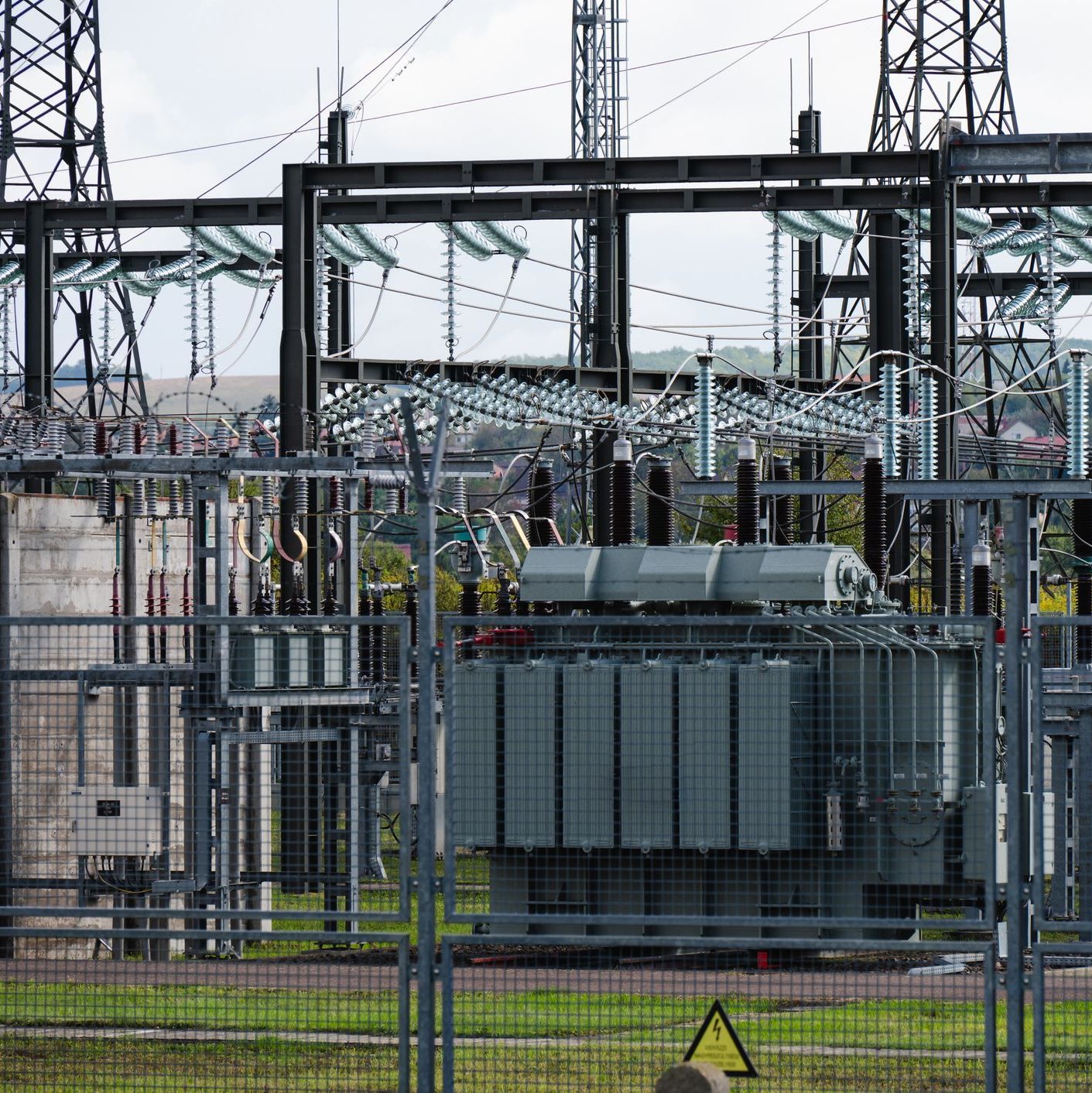
The Plants Are Going Up. Where Is the Talent?
By now, if you work in the power equipment space, you’ve heard the transformer story a hundred times. Lead times stretched to 120 weeks. Data center demand driving new urgency. Utilities scrambling for equipment they used to order with comfortable runway. It’s been the defining supply chain story of the last several years, and it isn’t over.
What doesn’t get talked about as much is what happens inside those plants once the ribbon is cut.
The Expansion Is Real and It Is Happening Now
The capital investment in domestic transformer capacity over the last two years is substantial and verifiable. Prolec GE is putting more than $300 million into new and expanded sites, including a medium-power facility in Goldsboro, North Carolina, and additional pad-mount capacity in Louisiana and Mexico. Virginia Transformer Corp. is undertaking a $40 million expansion in Georgia targeting a 70% increase in output. WEG is adding transformer capacity in Missouri. ERMCO has committed more than $70 million across facilities in Tennessee and Wisconsin. Central Moloney is building a new $50 million plant in Florida. MGM Transformer opened a 430,000-square-foot facility in Waco, Texas. HD Hyundai Electric is growing its Alabama footprint with a goal of increasing U.S. production 30% by 2026. Eaton announced a $340 million investment in three-phase transformer production at a new facility in Jonesville, South Carolina.
That is a significant amount of concrete being poured. New square footage does not produce transformers on its own, though.
The Problem That Doesn’t Make Headlines
Here’s what Power Magazine noted in a piece on the transformer market earlier this year: the skilled labor challenge is one of the most persistent constraints in this expansion. Transformer manufacturing is not a lights-out automated process. The winding work is manual. The institutional knowledge required to run a production floor at scale takes years to develop, and it does not transfer easily.
When you’re opening a greenfield plant or significantly scaling an existing one, you need operations leadership that already knows this world. A plant manager who has run a transformer production line, managed a unionized workforce, hit throughput targets under supply chain pressure, and built out a second shift from scratch is not a candidate you find on a job board with a sponsored post. A VP of Operations who understands both the manufacturing process and the capital investment conversation with ownership is genuinely rare.
I have been placing director-level and above talent in this space for over 21 years. The people with the right combination of technical background, operations experience, and leadership depth are in roles. They are not actively looking. And they are being approached constantly right now, because every OEM expanding capacity is looking for the same profile at roughly the same time.
What This Means If You’re Hiring
The manufacturers winning this talent competition are doing a few things that others are not.
They are moving fast. When a qualified candidate surfaces, the window to engage is short. The processes that drag across six rounds of interviews and three months of internal alignment are losing candidates to companies that can make a decision in three weeks.
They are being honest about what the role is. A candidate walking into a greenfield or high-growth situation wants to know the real picture, not a polished version of it. If you’re building out a plant from scratch, say that. The right person sees that as an opportunity, not a red flag.
They are thinking about compensation relative to the market as it exists today, not where it was two years ago. Demand for experienced transformer operations talent has increased significantly. Comp expectations have followed. If your offer is anchored to a 2022 benchmark, you are not competing.
They are working with recruiters who actually know this space. With respect to generalist recruiters, the transformer and power equipment manufacturing world is specific. The candidate evaluation, the client prep, the compensation context, the ability to have a credible conversation with a VP-level candidate about what his next role should look like relative to where he is sitting now — that takes real industry knowledge. It is not something you can learn from a job description.
The Bottom Line
U.S. transformer manufacturing capacity is growing at a rate we have not seen in decades. The companies that successfully staff those operations with experienced, qualified leadership are going to be positioned to actually deliver on that capacity. The ones that treat hiring as an afterthought to the capital build are going to find out the hard way that an empty plant is just a very expensive building.
If you are a transformer or power equipment manufacturer navigating a plant expansion, a new facility, or a leadership gap in operations or engineering, I’d welcome a conversation.
Foster Conner International has worked exclusively in electrical manufacturing since 2004. We place director-level and above talent across transformer OEMs, switchgear manufacturers, and the broader electrical infrastructure space.
More Industry Insights